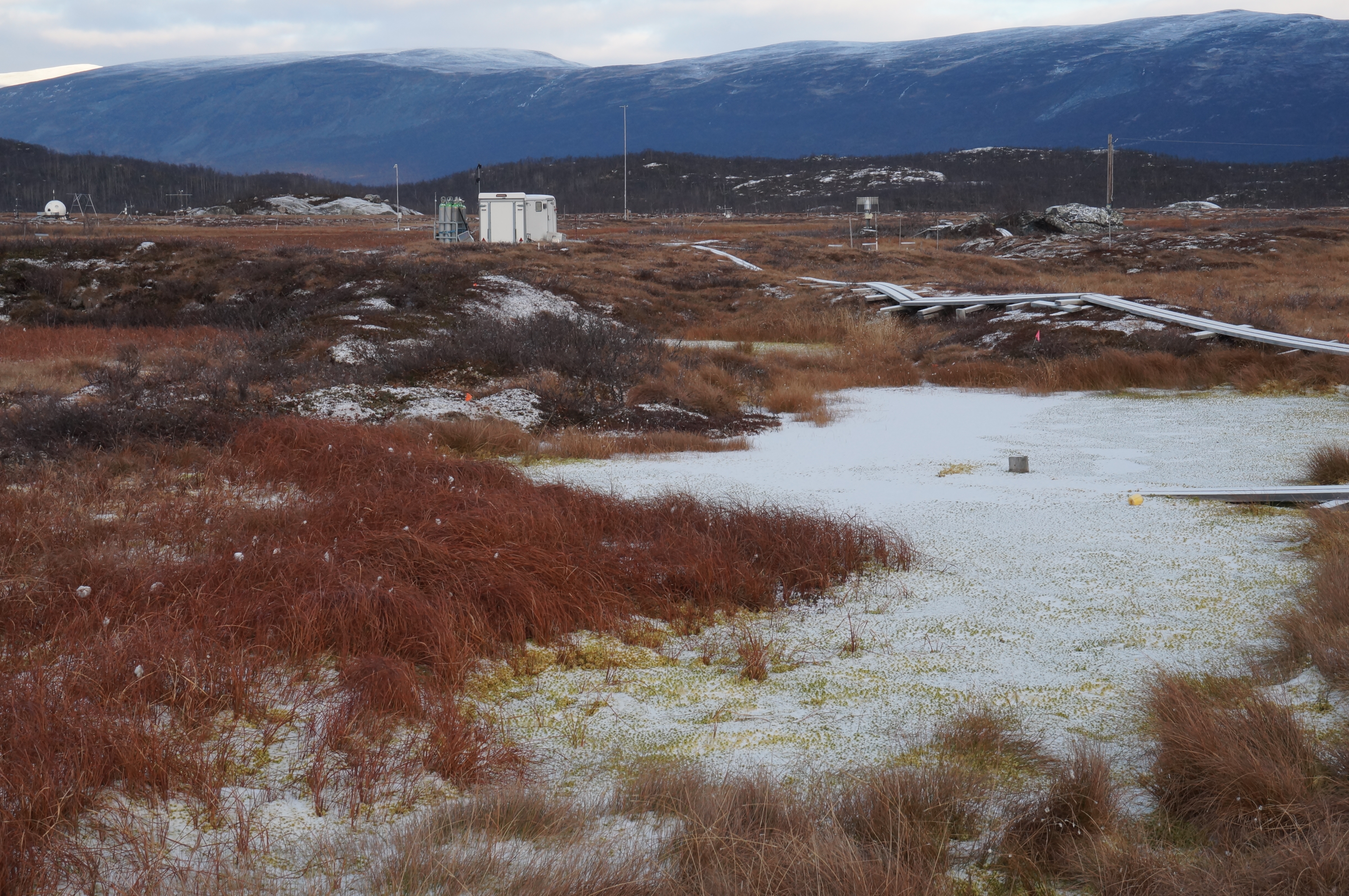
I study the processes that control decomposition, including soil microbial communities, plant species composition, temperature and moisture. I am especially interested in understanding how arctic and mountain peatland ecosystems are responding to climate change and what we can do to maintain them as carbon stocks to so they don’t add greenhouse gasses (carbon dioxide and methane) to the atmosphere and exacerbate warming. I am also interested in understanding how to better link basic research with conservation and management organizations to provide evidence-based solutions to ecological problems.
Solutions-oriented science
There is surprisingly little national or international policy relating to peatlands, and many gaps in what does exist. How can we use science to better manage, protect, and restore peat-forming ecosystems in the context of climate change? Developing answers to this question is key future direction for the field of ecology. As one step in that direction, we are creating a guide for the development of science-based peatland policy.
Mapping peatlands and carbon storage in the DRC
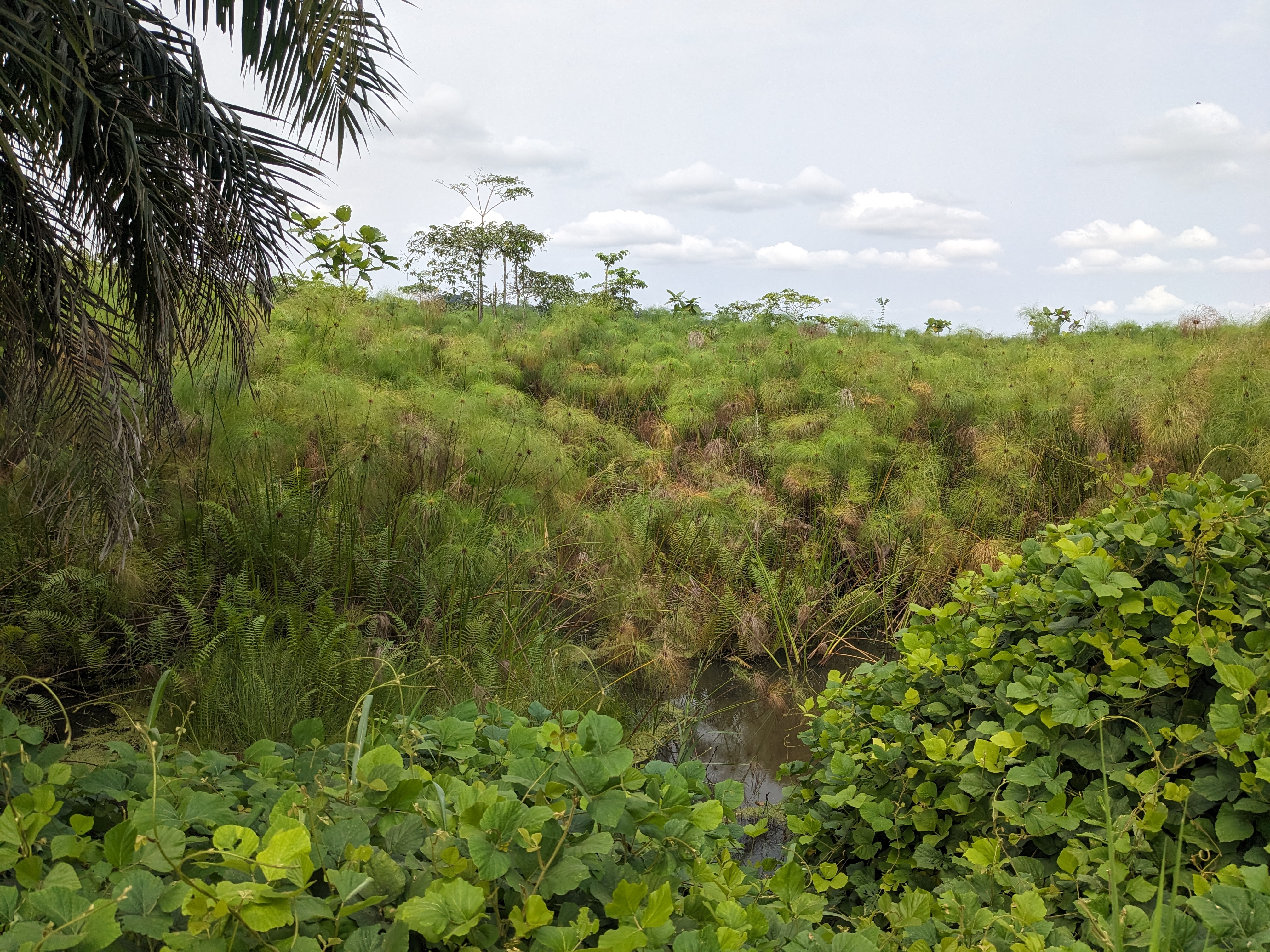
The Central Congo Basin has become famous for having the worlds largest carbon stock per area. But what about elsewhere in the DRC? In a joint effort, the USFS and Michigan Tech are working with the DRC’s UGT and Environmental Ministry to map peatlands outside of the Congo Basin and measure their carbon storage.
Impacts of grazing on carbon cycling in Andean peatlands
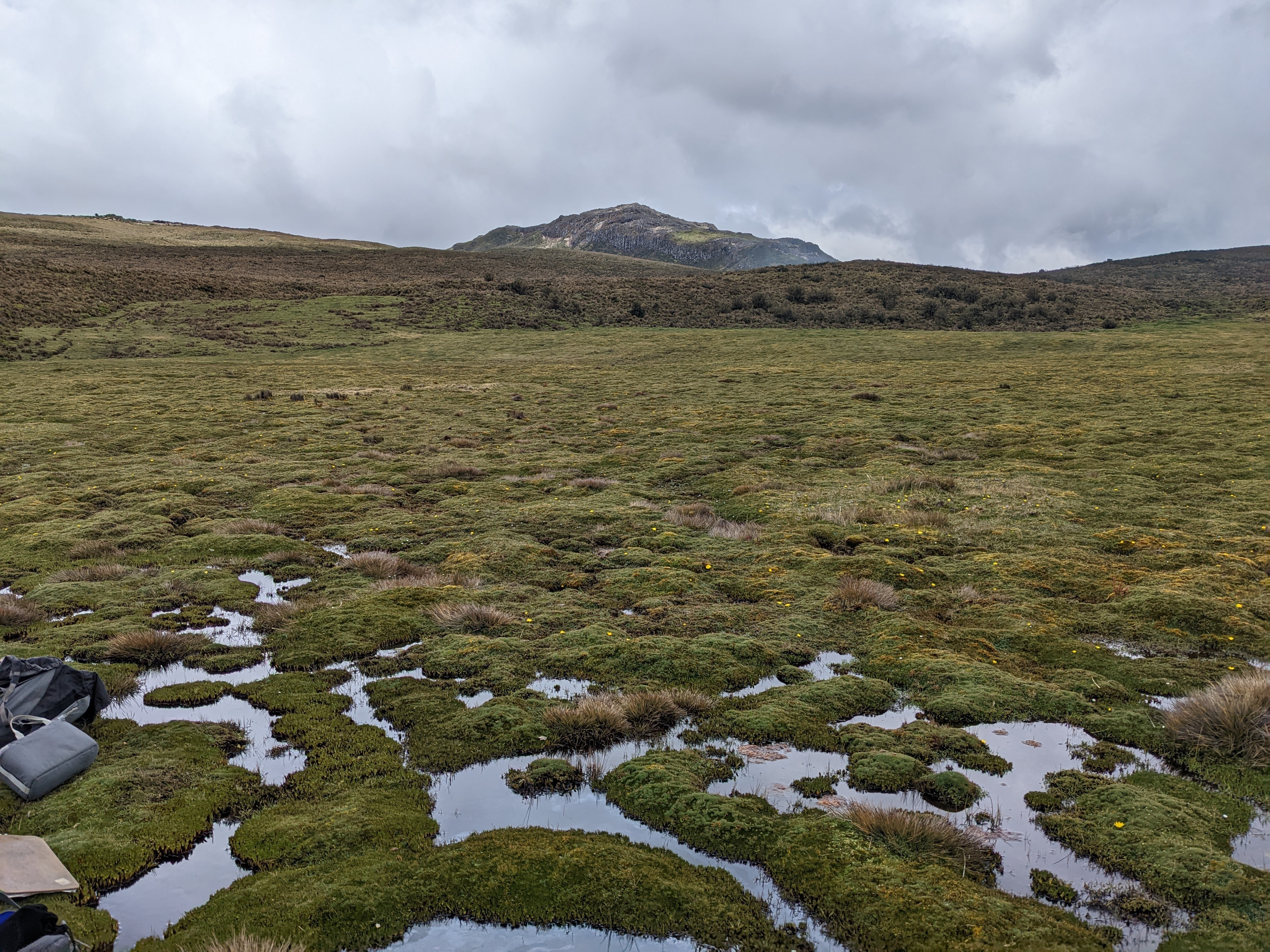
High elevation páramo ecosystems in the Andes hold many peatlands that store large amounts of carbon. They are often formed by cushion plants, a unique type of vegetation that isn’t as well studied as other peat-forming plants. We are trying to understand how carbon storage and release in these ecosystems are impacted by grazing and if there are thresholds for sustainable use.
Impacts of ecosystem transitions on carbon cycling
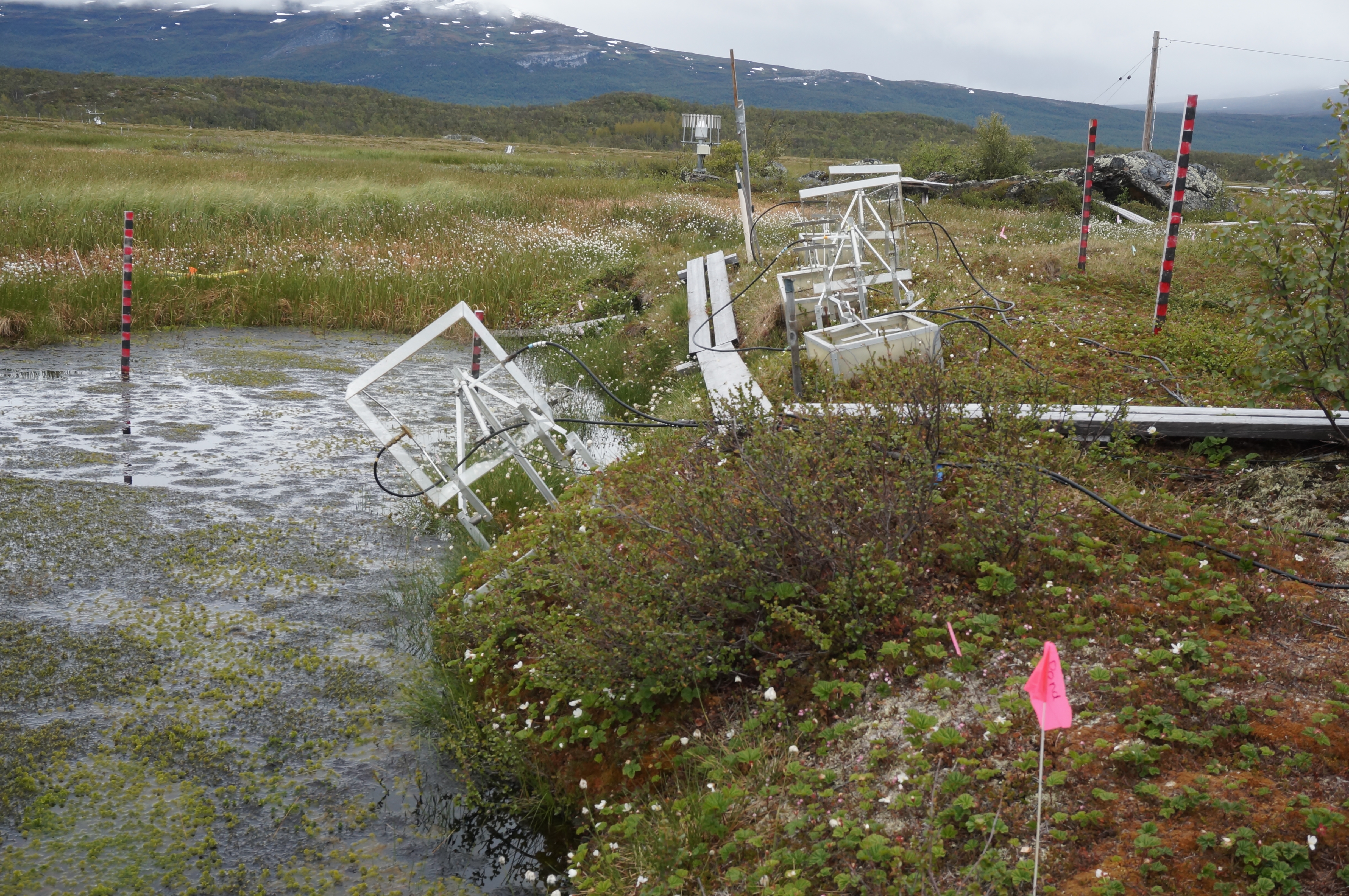
As permafrost-underlain peatlands thaw, they can transition from a tundra-type ecosystem to moss dominated bogs and then water-logged fens. These changes in plant community alter the chemistry of leaf litter that is deposited for decomposition which speeds up the rate of carbon cycling.
Stable-isotopes as a tool to understand microbial processes
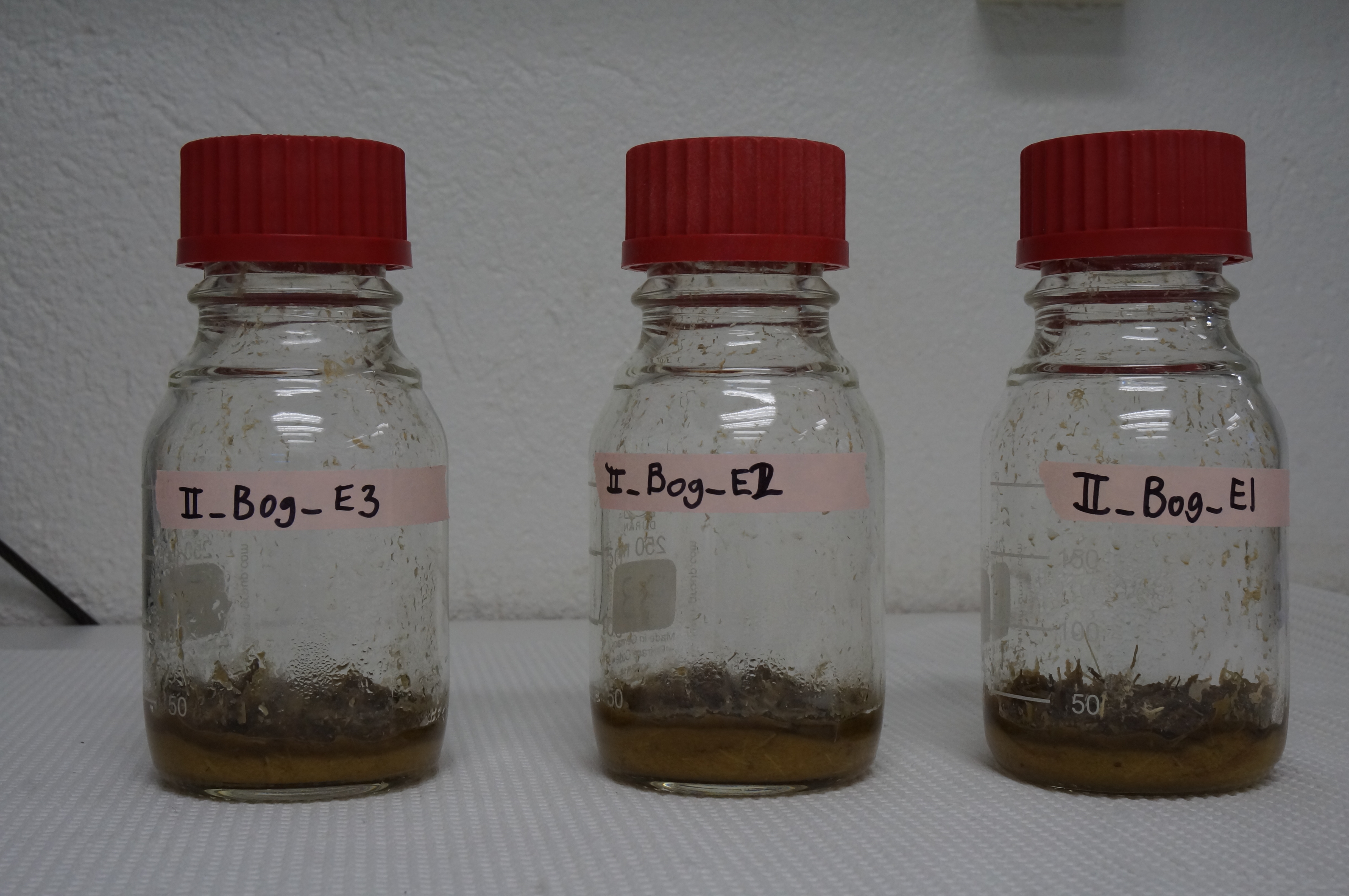
Carbon atoms that have different molecular weights are called isotopes. Some are normally very rare, but if we enrich plant material with the rare isotopes we can use this as tracer to find out which microbes are consuming that plant material and how much they contribute to decomposition and the release of greenhouse gases.

Plant-microbial interactions
Microbes play an important role in determining how carbon is stored or cycled through the ecosystem. But what determines which microbes are found where? We found that plants play an important role in shaping microbial community composition – especially methane cycling microbes – across a permafrost thaw gradient.
Social-ecological systems and environmental change
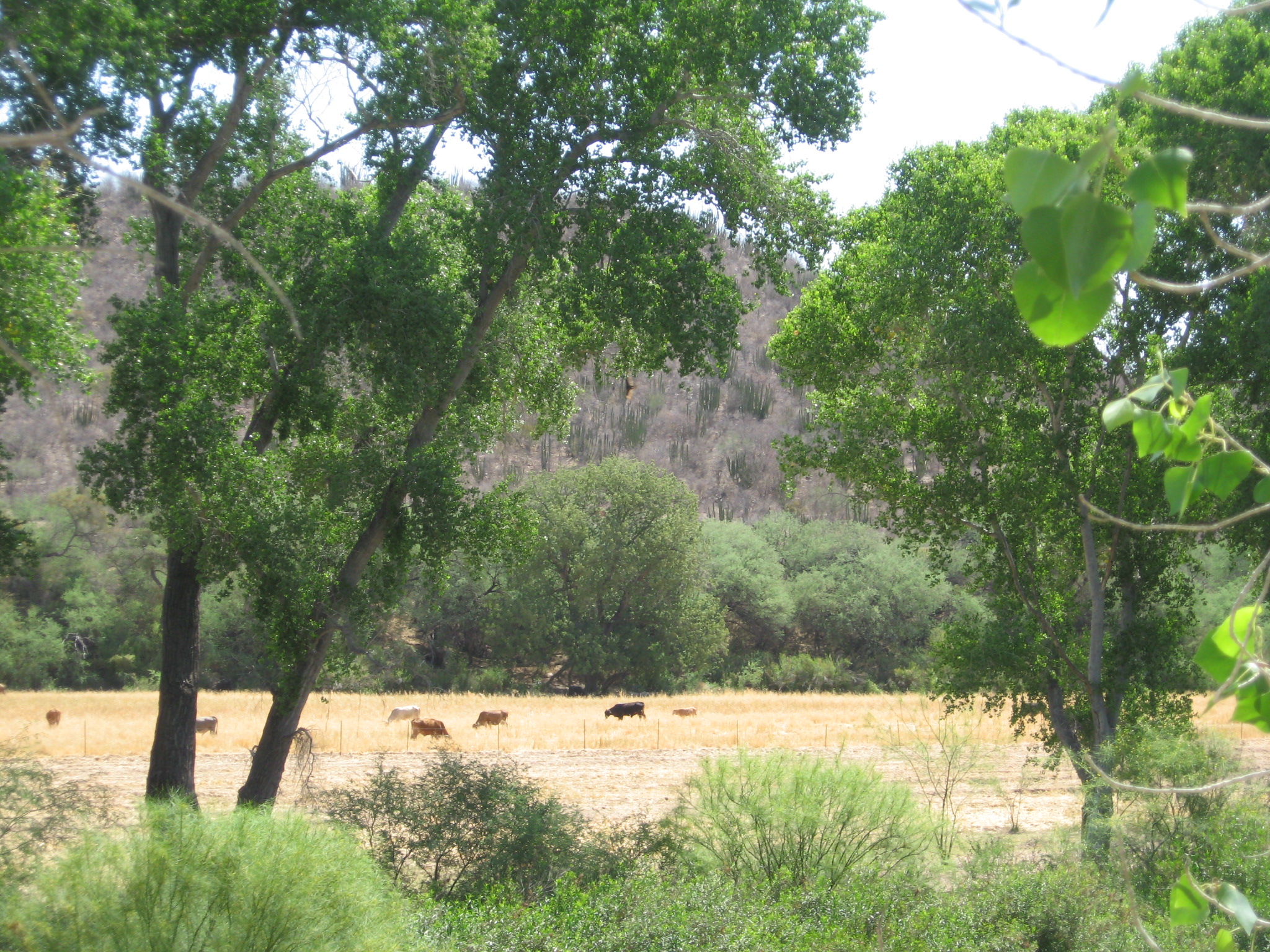
Ecosystems provide a variety of vital benefits to humans (such as food, clothing, mental health, and physical well-being). It is not always straightforward to predict how environmental change will alter these benefits. We developed a framework for predicting when changes in water availability would impact different types of benefits from arid riparian areas.
Publications
Ayala-Ortiz, C., Hough, M., Eder E.K., Hoyt D.W., Chu R.K., Toyoda, J., Blazewicz, S.J., Crill, P.M. Varner, R., Saleska, S.R., Rich, V.J., Tfaily, M.M., 2025. Tracing priming effects in palsa peat carbon dynamics using a stable isotope-assisted metabolomics approach. Frontiers in Molecular Biosciences. 12:1621357. DOI: https://doi.org/10.3389/fmolb.2025.1621357
Cory, A. B., Wilson, R. M., Ogles, O. C., Crill, P. M., Li, Z., Chang, K.-Y., Bosman, S.H., Rich, V.I., Chanton, J.P., EMERGE Project Coordinators, Hough, M., Dominguez, S., Irwin-Raab, N., Trubl, G., Jones, R.M., Anderson, D., Isogenie Field Team. 2025. On the relationship between methane production in anaerobic incubations of peat material and in situ methane emissions. Journal of Geophysical Research: Biogeosciences, 130, e2024JG008371. https://doi.org/10.1029/2024JG008371
Abs, E, Hough, M., 2024. Changing the culture of ecology from the ground up. Elementa: Science of the Anthropocene 12(1). DOI: https://doi.org/10.1525/elementa.2023.00003
Hribljan, J., Hough, M., Lilleskov E., Suarez, E., Heckman, K., Planas-Clarke, A.M., Chimner R. A. 2023 Mitigation and Adaptation Strategies for Global Change. Elevation and temperature are strong predictors of long-term carbon accumulation across tropical Andean mountain peatlands. https://link.springer.com/article/10.1007/s11027-023-10089-y
Abs, E., M. Hough. 2023. Elementa: Science of the Anthropocene. The world of underground ecology in a changing environment. https://doi.org/10.1525/elementa.2022.00139
Contributing Author to: UNEP (2022). Global Peatlands Assessment – The State of the World’s Peatlands: Evidence for action toward the conservation, restoration, and sustainable management of peatlands. Regional Assessment for North America. Global Peatlands Initiative. United Nations Environment Programme, Nairobi. https://globalpeatlands.org/sites/default/files/2022-12/peatland_assessment.pdf
R. M. Wilson, M.A. Hough, B. A. Verbeke, S. B. Hodgkins, G. Tyson, M. B. Sullivan, E. Brodie, W. J. Riley, B. Woodcroft, C. McCalley, S. C. Dominguez, P. M. Crill, R. K. Varner, S. Frolking, W. T. Cooper, J. P. Chanton, S. D. Saleska, V. I. Rich, M. M. Tfaily. 2022. Science of the Total Environment. Plant organic matter inputs exert a strong control on soil organic matter decomposition in a thawing permafrost peatland. https://doi.org/10.1016/j.scitotenv.2021.152757
Hough, M., S. McCabe, S.R. Vining, E. Pickering-Pedersen, K. Chang, G. Bohrer, The IsoGenie Coordinators, W. Riley, P. Crill, R. Varner, M. Tfaily, S. Saleska, V. Rich. 2021. Global Change Biology. Coupling plant litter quantity to a novel metric for litter quality explains C storage changes in a thawing permafrost peatland. https://doi.org/10.1111/gcb.15970
Defrenne, C.E., E. Abs, L. Dietterich, M. Hough, J. Jones, S.N. Kivlin, A.L. Cordeiro, A.L. Romero-Olivares. 2021. New Phytologist. The Ecology Underground Coalition: Building a collaborative future of belowground ecology and ecologists. https://doi.org/10.1111/nph.17163
Bolduc B, Hodgkins SB, Varner RK, Crill PM, McCalley CK, Chanton JP, Tyson GW, Riley WJ, Palace M, Duhaime MB, Hough MA, IsoGenie Project Coordinators, IsoGenie Project Team, A2A Project Team, Saleska SR, Sullivan MB, Rich VI. 2020. The IsoGenie database: an interdisciplinary data management solution for ecosystems biology and environmental research. PeerJ 8:e9467 https://doi.org/10.7717/peerj.9467
Hough, M., A. McClure, B. Buldoc, E. Dorrepaal, S. Saleska, V. Klepac-Ceraj, V. Rich, 2020. Frontiers in Microbiology. Biotic and environmental drivers of plant microbiomes across a permafrost thaw gradient. https://doi.org/10.3389/fmicb.2020.00796
Hough, M., M. Pavao-Zuckerman, C.A. Scott, 2018. Connecting plant traits and social perceptions in riparian systems: ecosystem services as indicators of thresholds in social-ecohydrological systems. Journal of Hydrology. https://doi.org/10.1016/j.jhydrol.2018.08.005
Hodgkins, S.B., Richardson, C.J., Dommain, R., Wang, H., Glaser, P.H., Verbeke, B., Winkler, B.R., Cobb, A.R., Rich, V.I., Missilmani, M., Flanagan, N., Ho, M., Hoyt, A.M., Harvey, C.F., Vining, S.R., Hough, M.A., Moore, T.R., Richard, P.J.H., Cruz, F.B.D. La, Toufaily, J., Hamdan, R., Cooper, W.T., Chanton, J.P., 2018. Tropical peatland carbon storage linked to global latitudinal trends in peat recalcitrance. Nature Communications. https://doi.org/10.1038/s41467-018-06050-2
 Moira Hough